Investing in Everyday Ministry
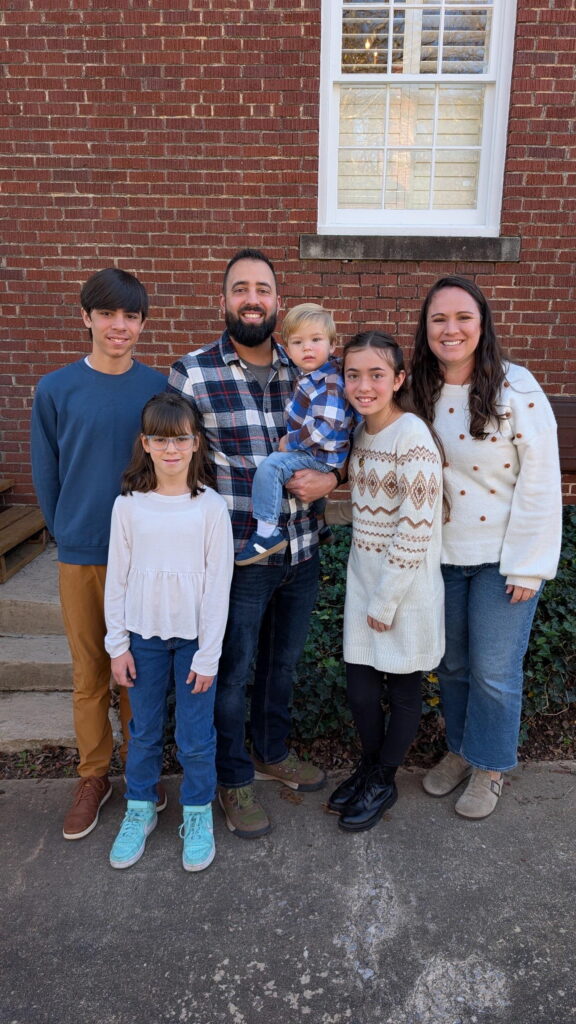
The moment Marcos Souza first encountered Mission Aviation Fellowship (MAF), he had a moment of clarity that would shape the next decade of his life. “When I discovered MAF’s focus on using aircraft to reach isolated people, I fell in love with that concept,” he reflects. “I also appreciated how MAF works closely with local churches and other organizations, acting as a catalyst … bridging the gap between needs and efforts.”
That vision—using aviation as a bridge between isolated communities and the resources they desperately need—became the foundation of Marcos’s ministry in Shell, Ecuador. As a maintenance specialist and director of safety, he understood that every aircraft he maintained represented hope for someone in crisis. But his impact extended far beyond the hangar.
Marcos soon recognized that technical excellence alone wasn’t enough. The young men completing their required maintenance internships needed more than training in aircraft systems—they needed spiritual formation. Morning prayer meetings and daily devotionals soon became as much a part of the internship as learning to troubleshoot engines. When Marcos encouraged the mechanics to see their everyday interactions with students as ministry opportunities, something shifted. They began to understand that sharing their faith while teaching a skill, praying for an intern, or asking how someone was doing created genuine pathways for the gospel.
As Marcos built a culture of spiritual intentionality in the hangar, Maddie was creating something equally transformative at home. Managing their household and the historic Nate Saint house, she understood that hospitality wasn’t a luxury—it was essential to their mission. “What was impactful for our coworkers, friends, and community were the little things—having people over for dinner, being in Bible studies, and having playdates,” Maddie explains. “The everyday stuff made people feel loved.”
Dinner tables became sacred spaces where barriers would dissolve over shared meals. Faith deepened through living room Bible studies, and children from different cultures discovered a new sense of belonging. Maddie’s ministry of presence demonstrated a profound truth: the gospel travels most naturally through genuine relationships and authentic community.
Following the same sense of obedience that first led them to the mission field, the Souzas feel a clear and compelling call to their next chapter in Spokane, Washington. Marcos has accepted the role of waypoints mentor at Moody Bible Institute’s Aviation campus, where he’ll help shape the next generation of missionary aviators. “The harvest is plentiful, but the workers are few, and having the right staff is really important,” he emphasizes. “Because of the lessons and challenges we’ve gone through, we’re hoping to speak life, encourage, and prepare the next generation of missionaries.”
The Souzas’ journey reveals a timeless principle: God’s mission advances through people willing to be catalysts—bridging gaps, building relationships, and investing in others. Whether in Ecuador or Washington, their commitment remains unchanged, transforming communities one meal, one conversation and one relationship at a time.
The Souzas are seeking prayer and financial partners to support their transition and ministry. Visit www.maf.org/souza to learn more about them and their support needs.